



weasl at InnoTrans 2026
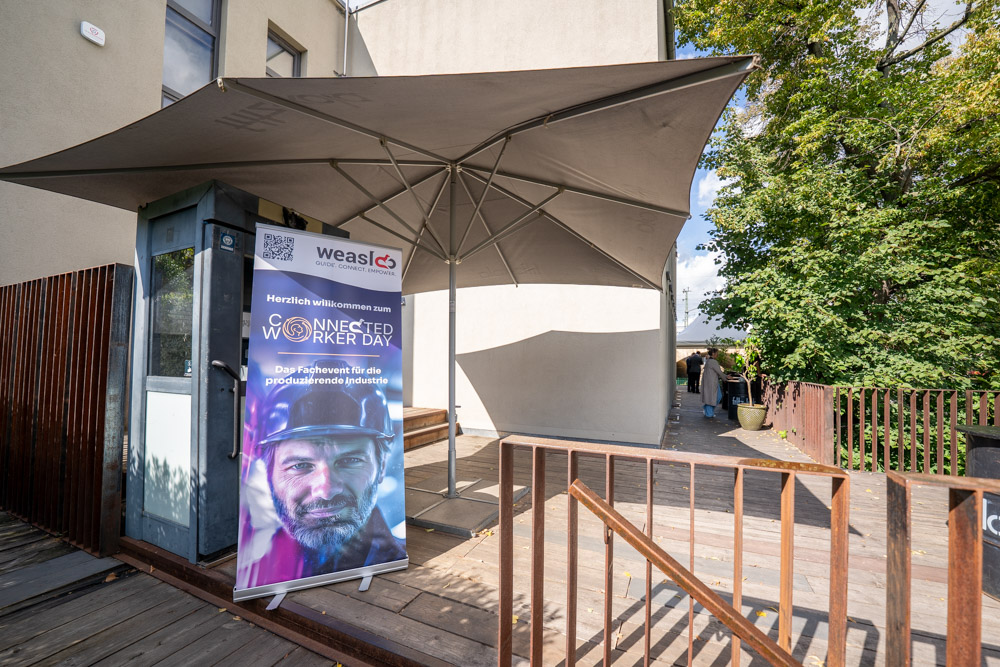
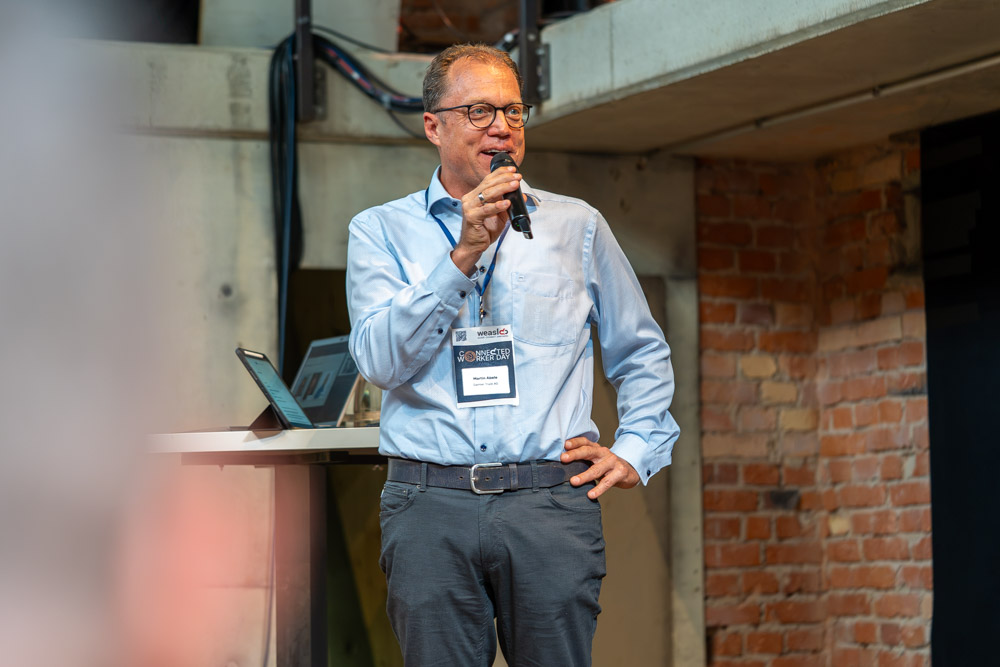
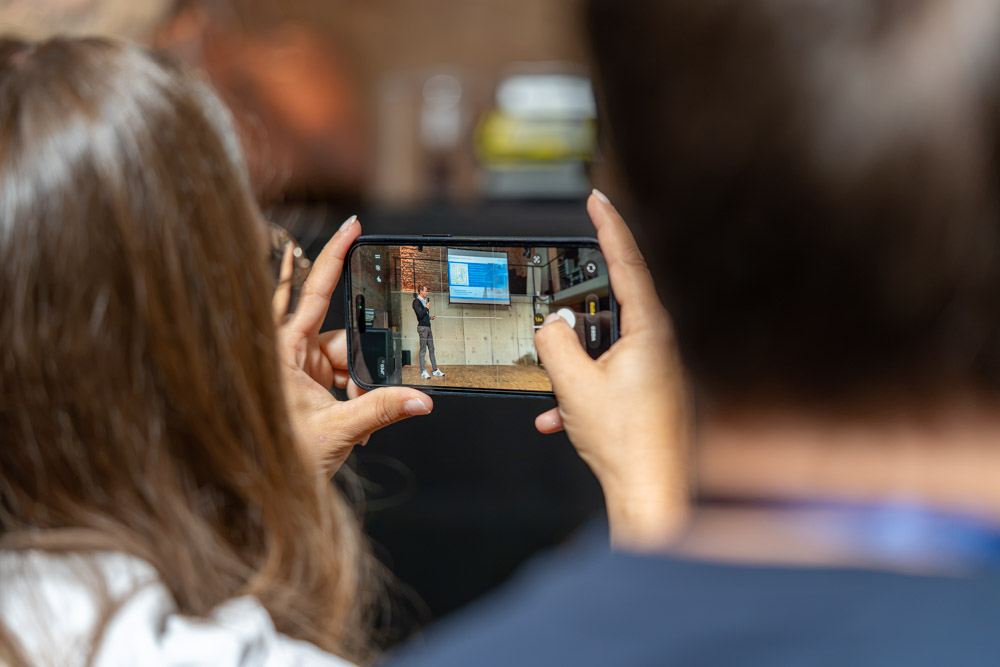
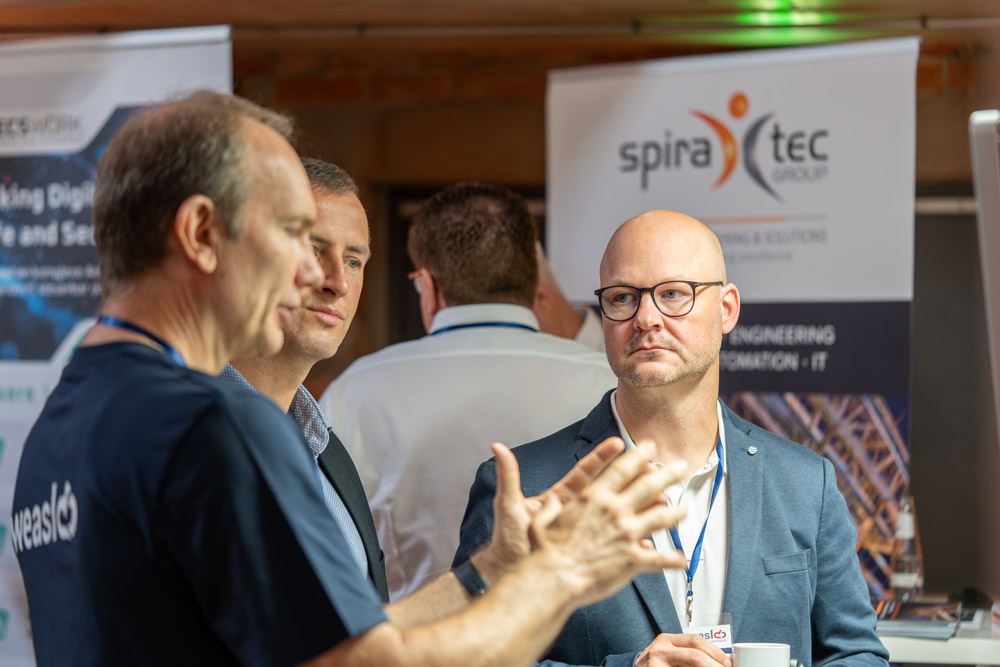
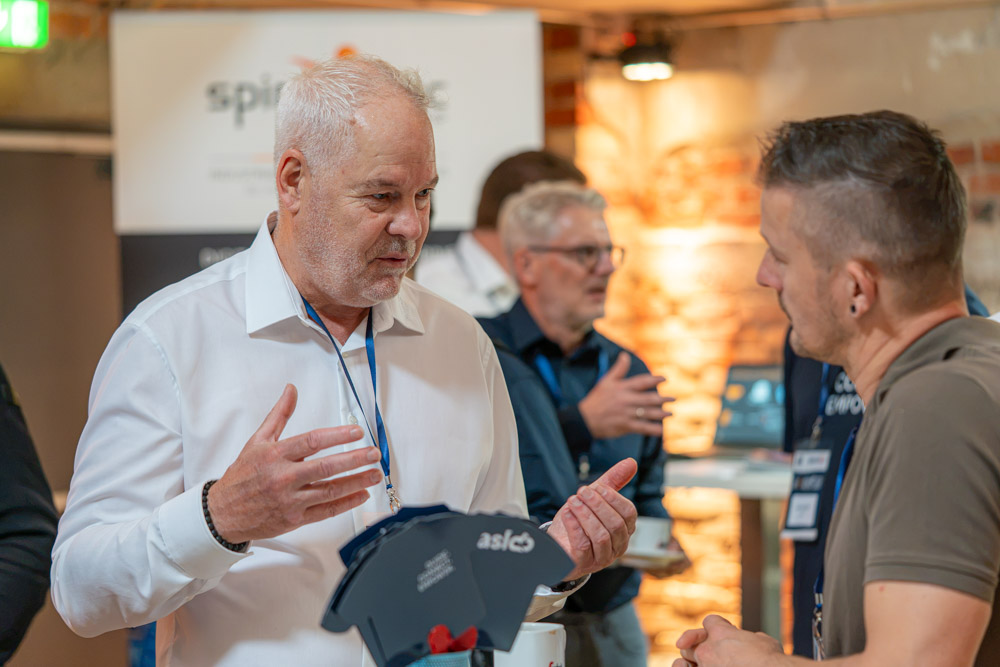
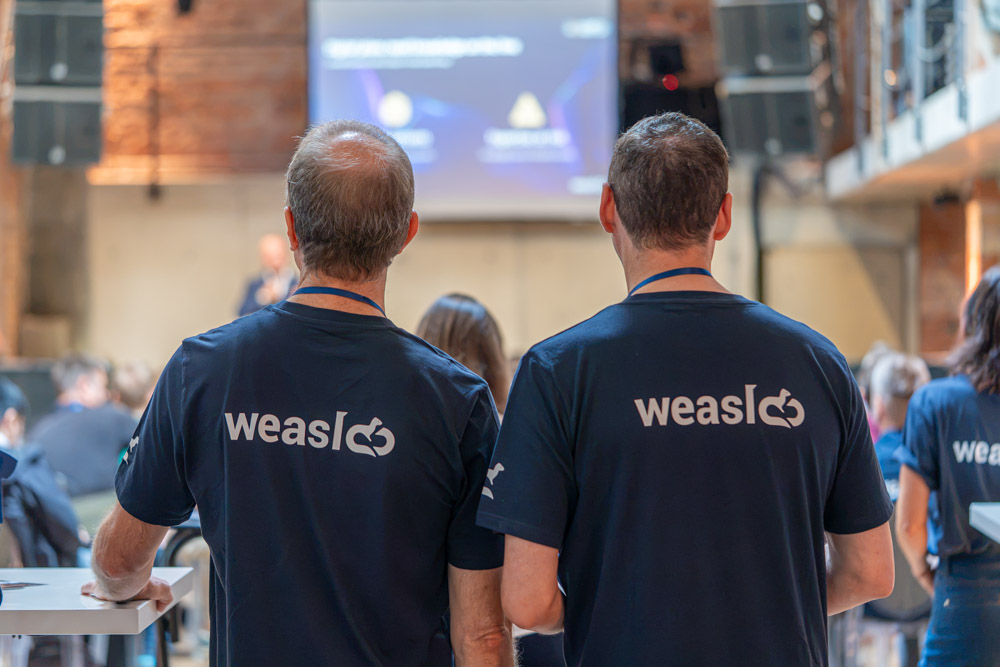
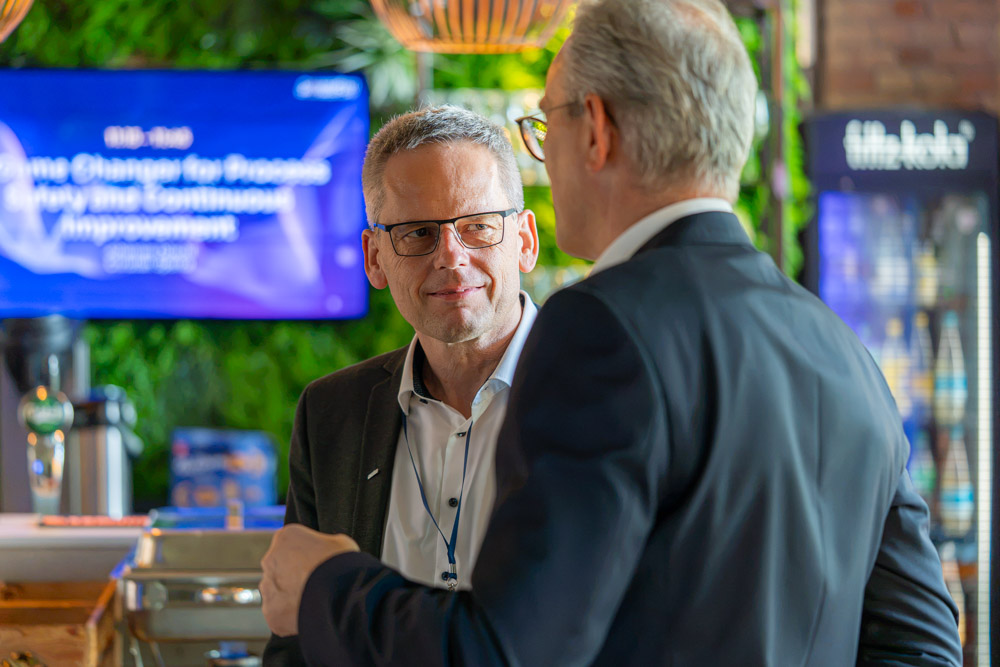
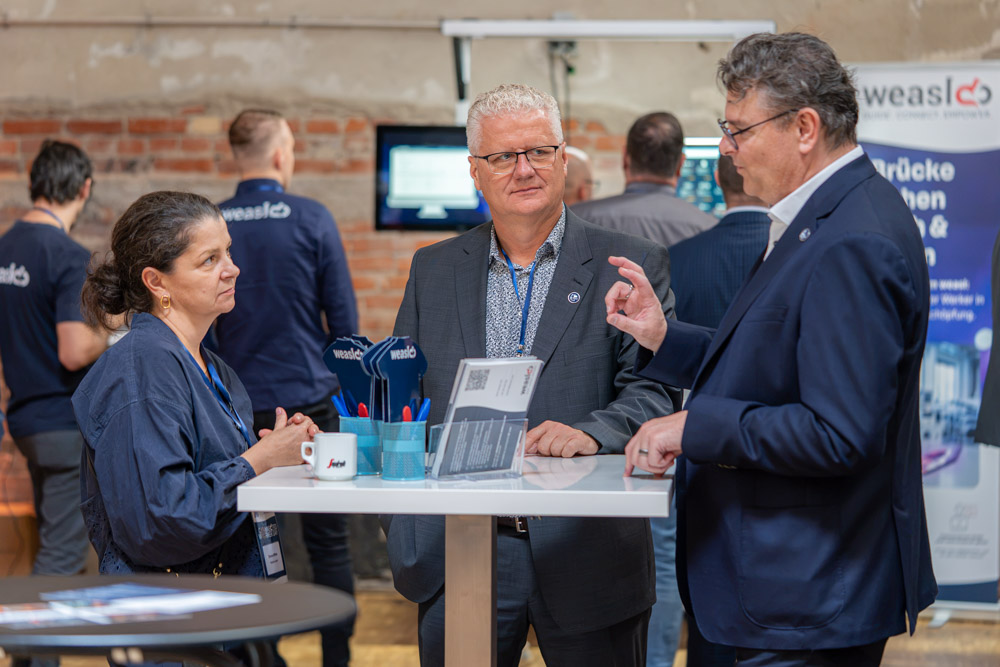
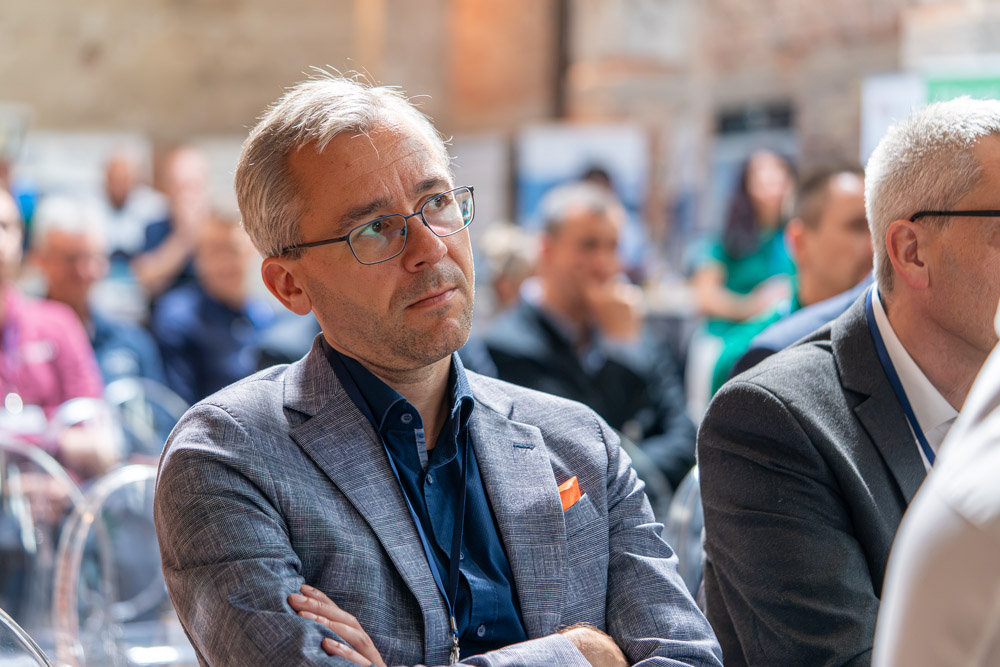
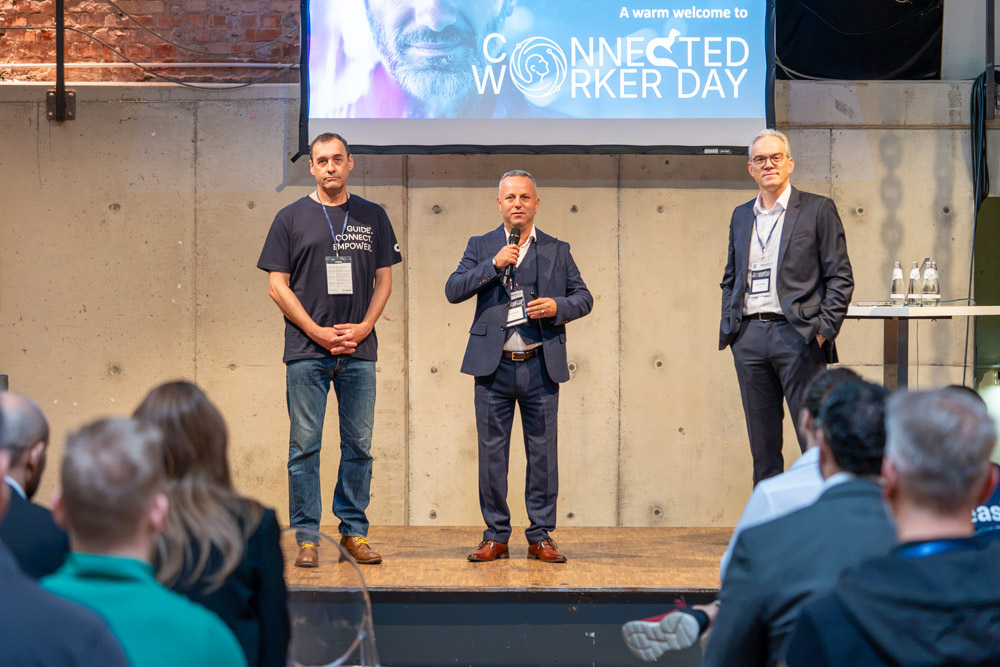
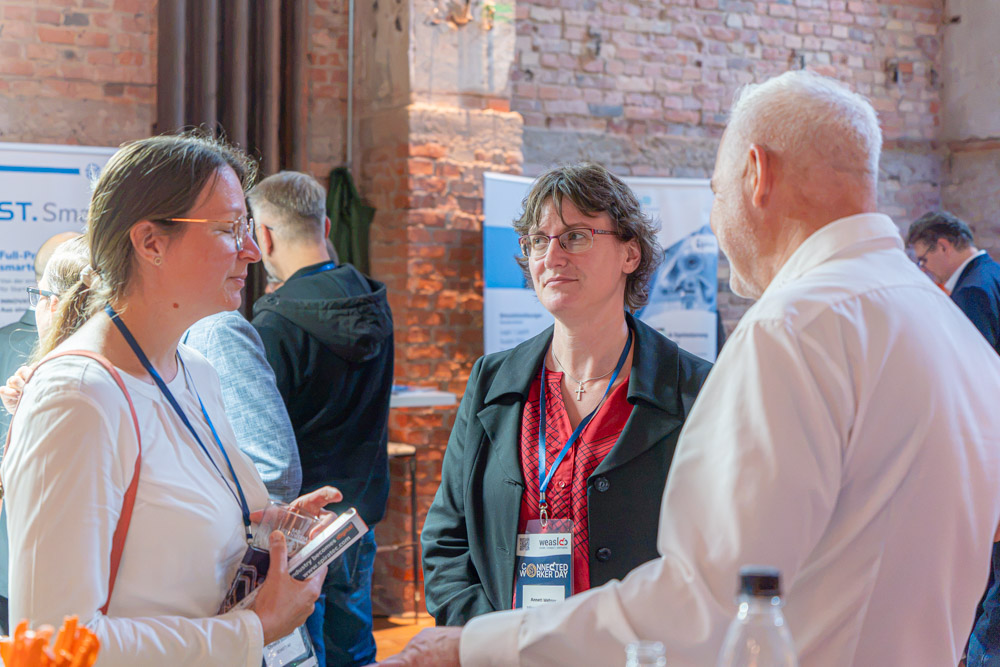
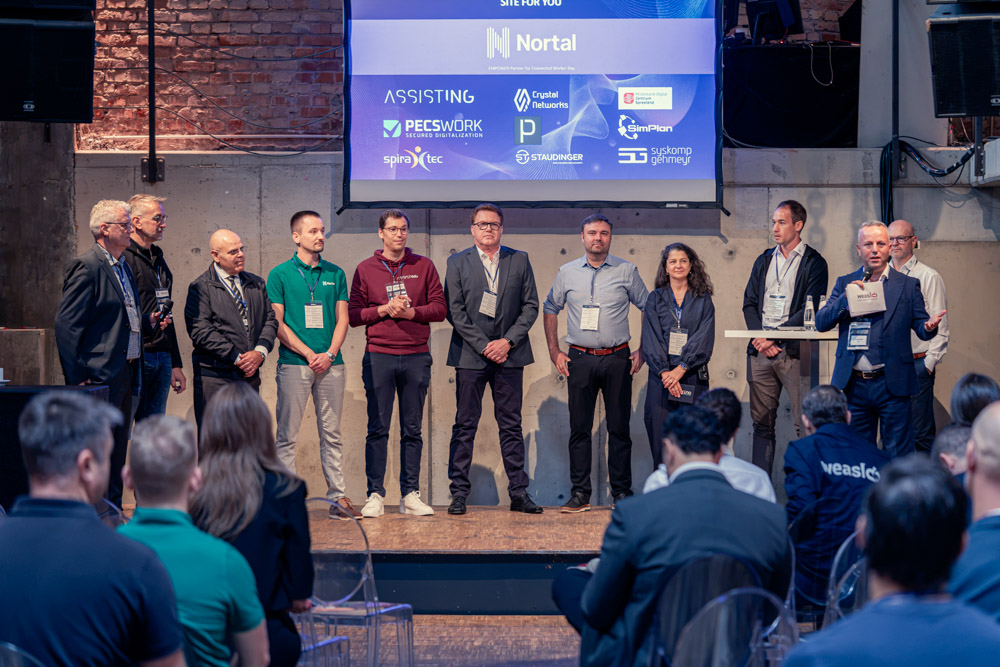
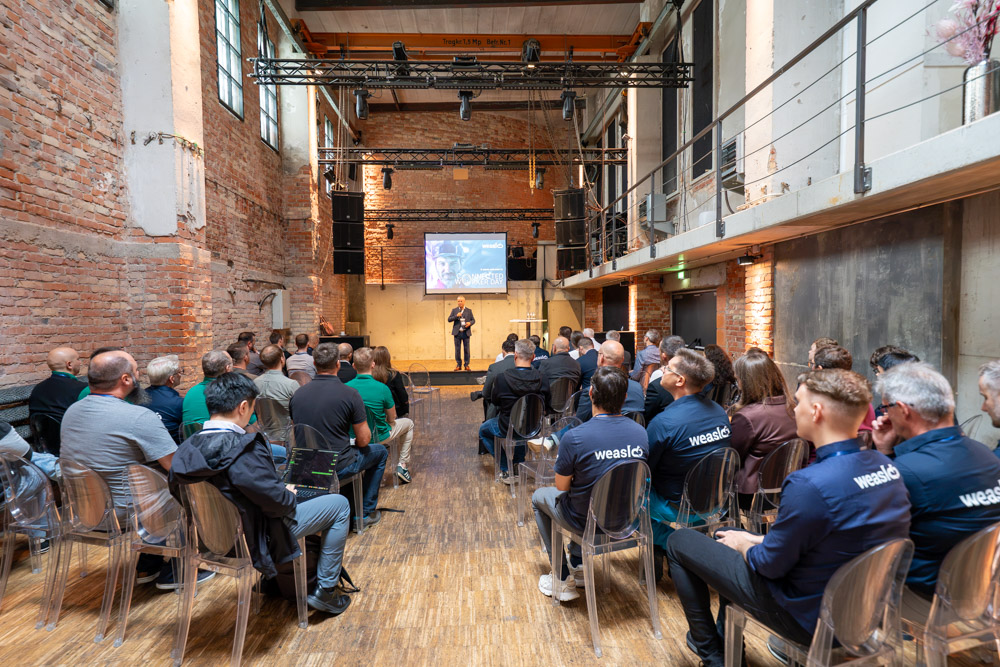
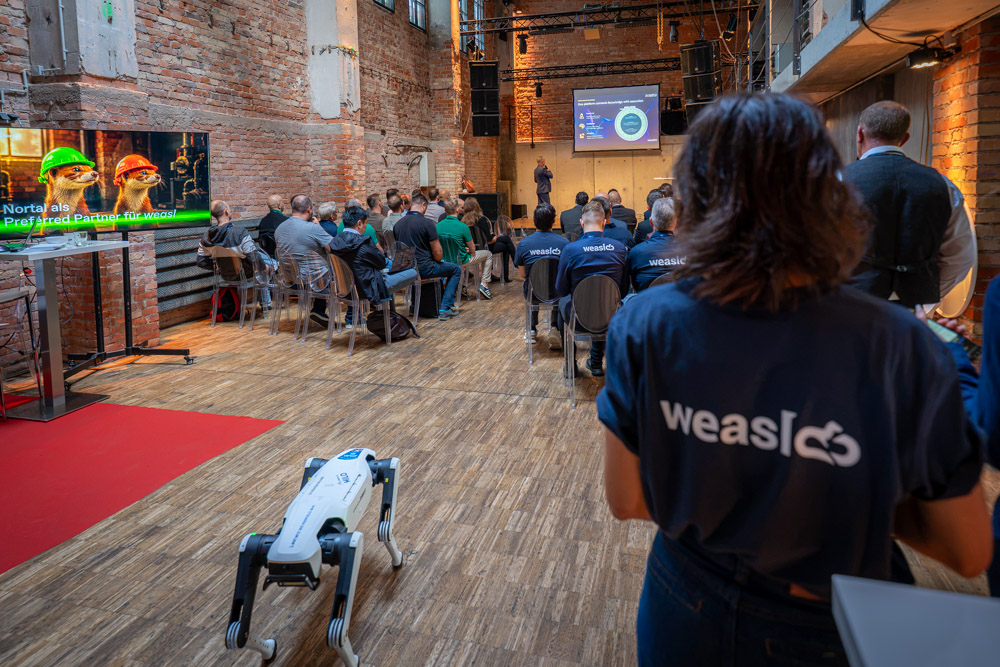
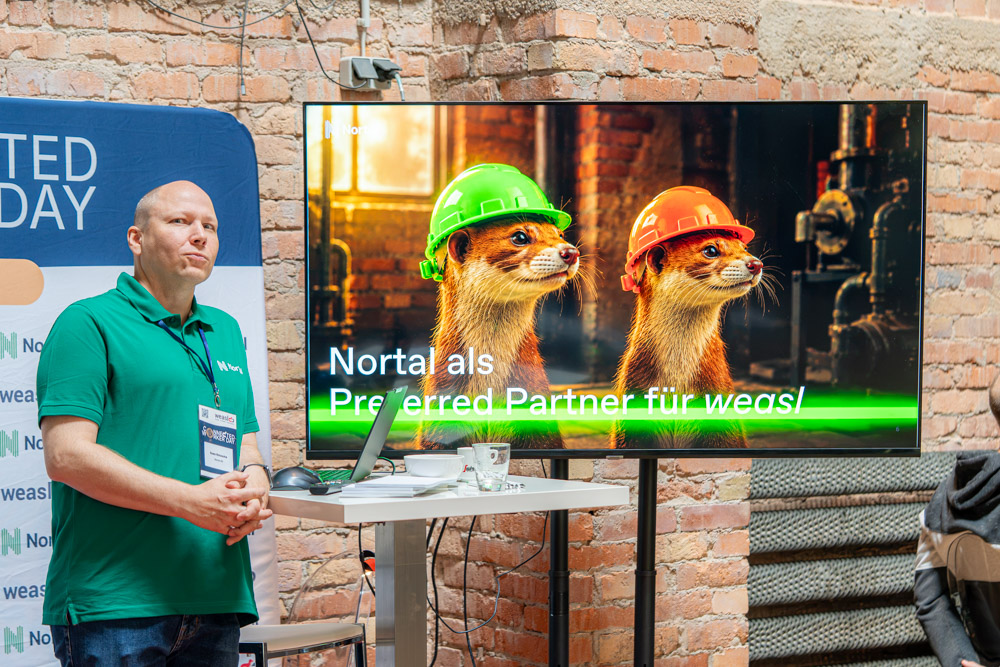
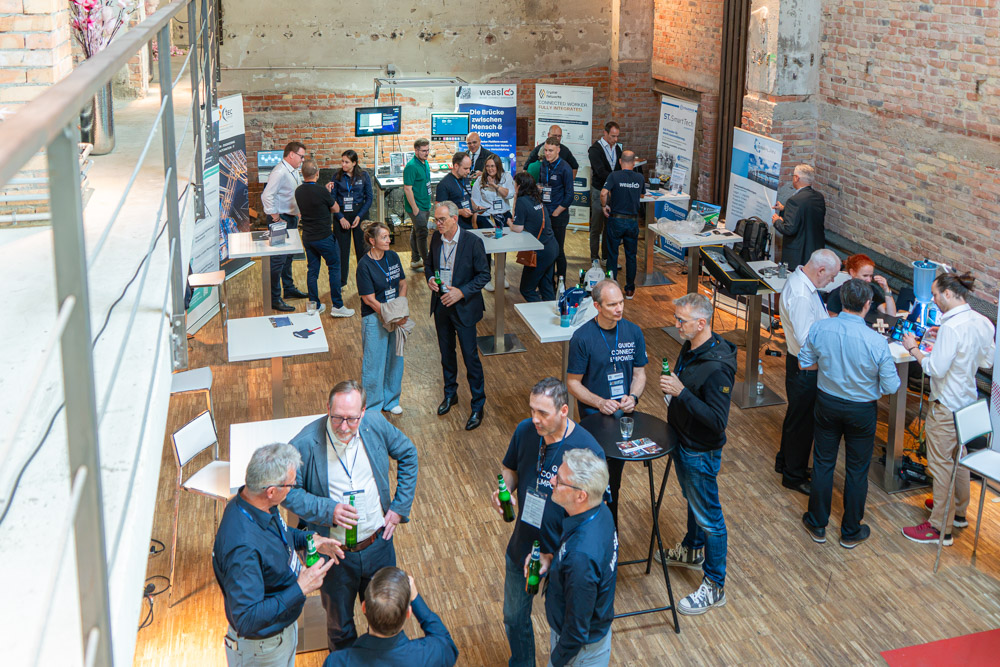
A full house, candid discussions, and impressive results: More than 70 decision-makers from the fields of production, quality assurance, and digitalization gathered at the Alte Pumpenhaus in Dresden on September 17, 2026, for the first Connected Worker Day.
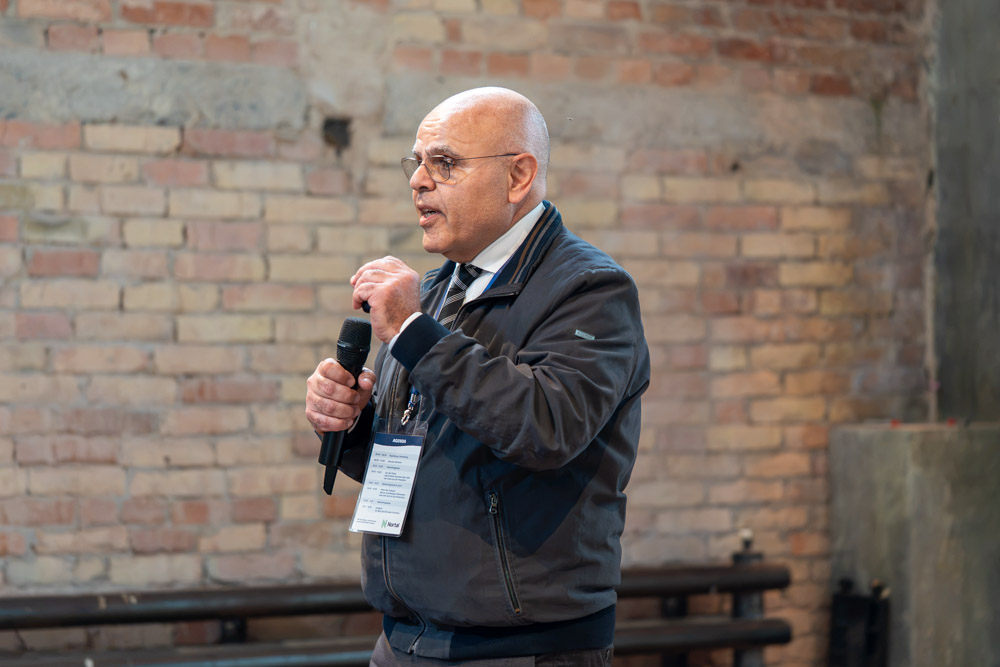
The focus was on a question that nearly every manufacturing SME is currently asking itself: How can the knowledge of experienced specialists be reliably transferred to where it’s needed, and how does connected work make the daily lives of workers and technicians easier? The users themselves provided the answers. They spoke candidly about successes and challenges, and the event also featured live demos and plenty of opportunities for practitioners to exchange ideas.
A problem familiar to most companies
The pressure to act is enormous: Experienced skilled workers are retiring, new employees need to become productive as quickly as possible, and the number of product variants is constantly growing. The knowledge of how to properly assemble and inspect a product is often confined to just a few people. It’s scattered across outdated paper printouts, spread out in Excel spreadsheets, or simply not available at the workplace when needed. Companies feel the consequences directly: long training periods, errors that aren’t noticed until the final inspection or at the customer’s site, costly rework, and significant effort required for every audit.
800 robots, 14,500 serial numbers, and over 90 percent less paper
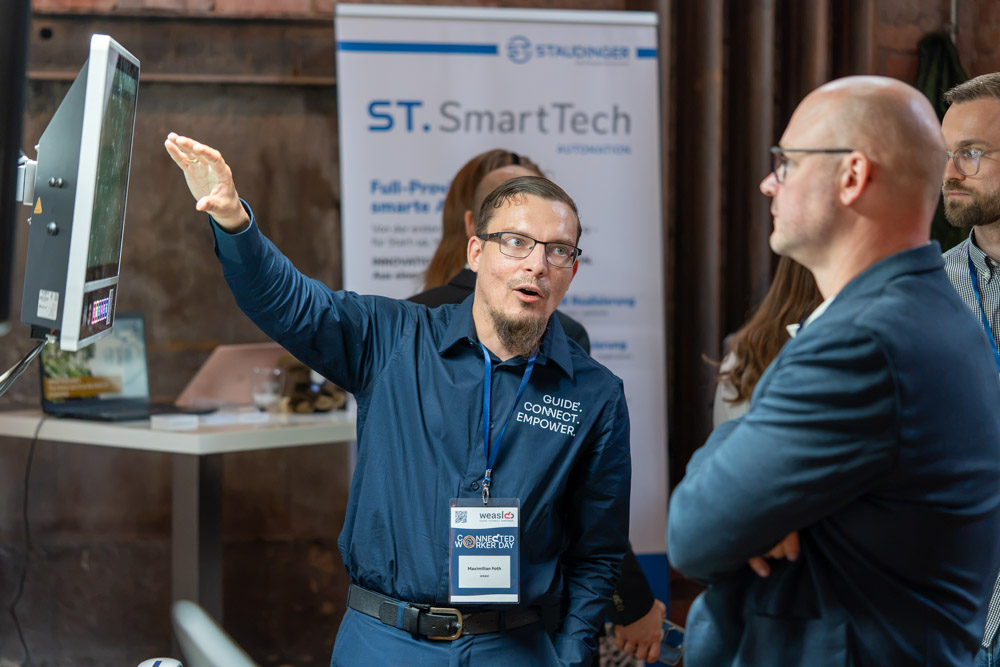
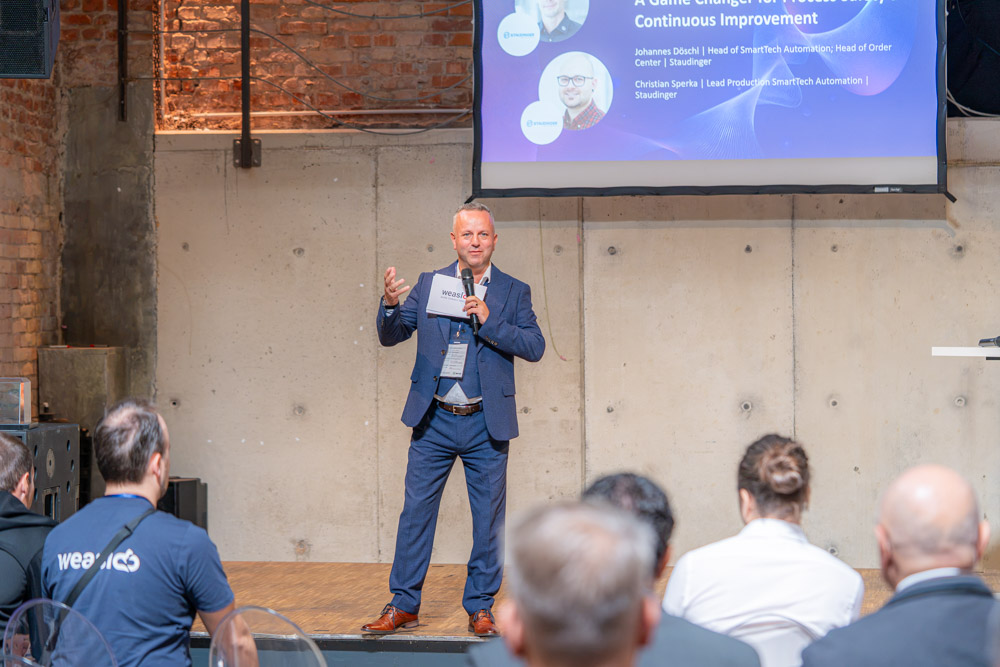
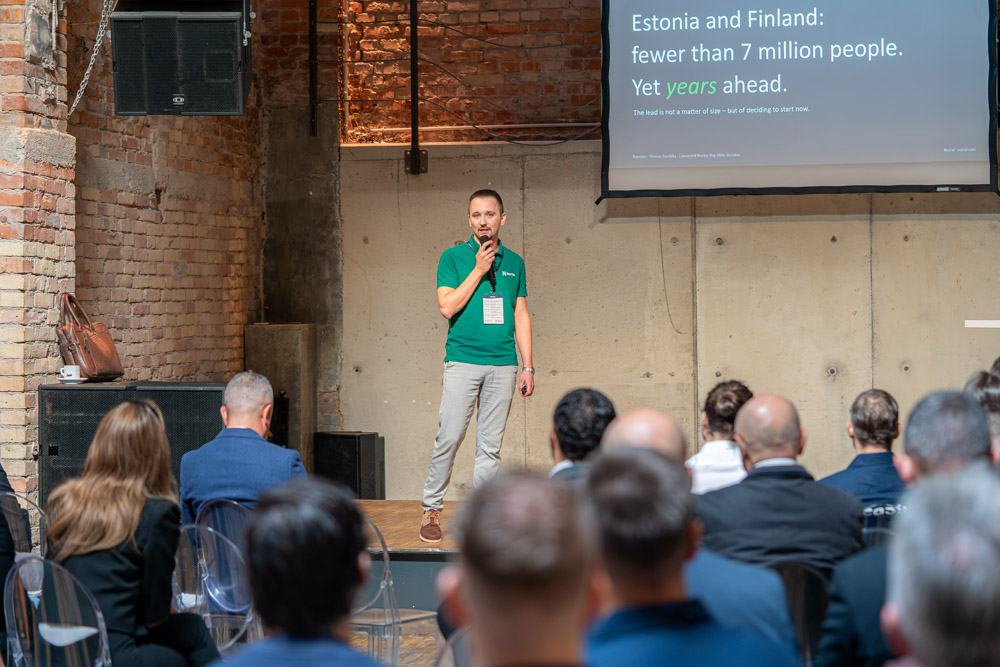
The automation specialist Staudinger, based in Loiching, Lower Bavaria, demonstrated how this can be solved in practice. For a production run involving approximately 700 individual parts per robot, the company implemented digital operator guidance with weasl in early 2024. Since then, more than 800 robots have rolled off the assembly line, and over 14,500 serial numbers have been recorded without a single omission. Instead of 25 to 30 A4 pages of paper per robot, production now requires just two. Johannes Döschl and Christian Sperka see the greatest impact in the closed-loop process comprising work instructions, quality inspection, traceability, and feedback: problems are reported directly from the assembly line, and the next employee is already working with the improved instructions. The test plan for the final inspection is now in its 13th revision.
Worker Guidance for Pharmaceutical Production
The engineering firm SpiraTec presented how digital work instructions, training, and documentation interact in the pharmaceutical and process industries, from requirements gathering to proof of concept. Together with weasl, SpiraTec is working to qualify the platform in 2026 and 2027 for GxP-regulated use in pharmaceutical production.
From Dresden to Riyadh
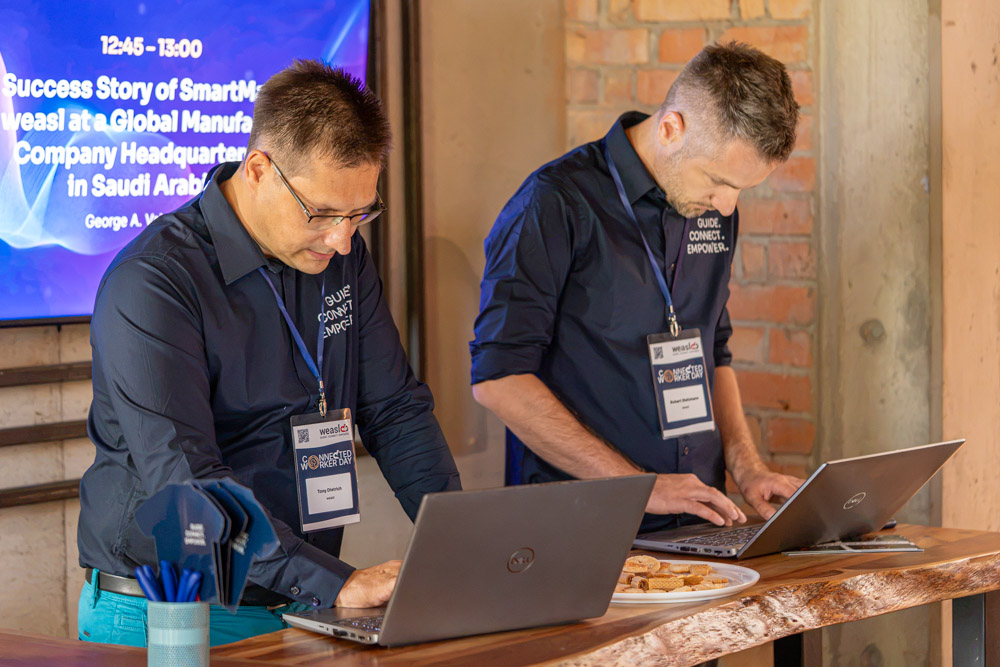
George A. Valassidis of Crystal Networks in Saudi Arabia provided an international perspective. The company distributes the Dresden-based technology in the Middle East under its own brand, SmartMasane3, with data storage within the country and local support in Arabic and English. In an initial pilot project at a ceramic tile manufacturer in Riyadh, defects are traced back to their point of origin in production before energy-intensive firing processes for defective goods are initiated.
Hands-On Experience
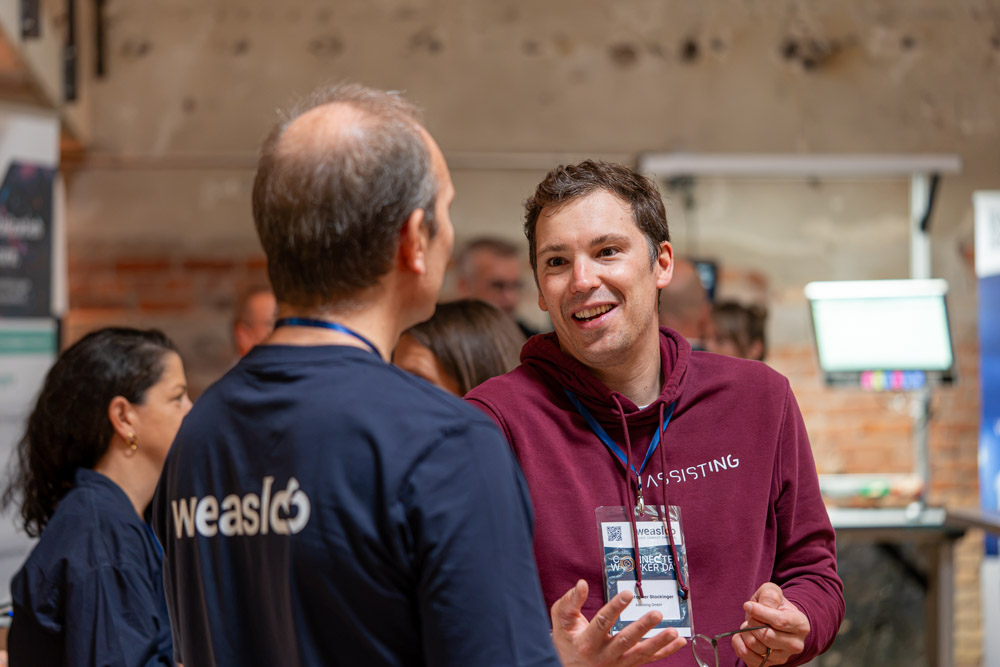
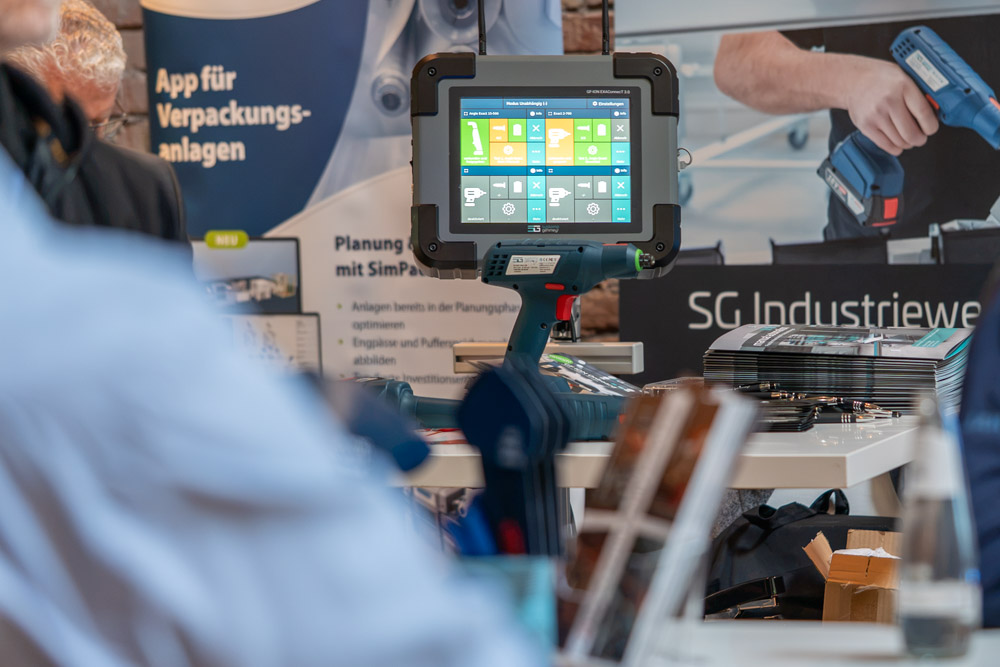
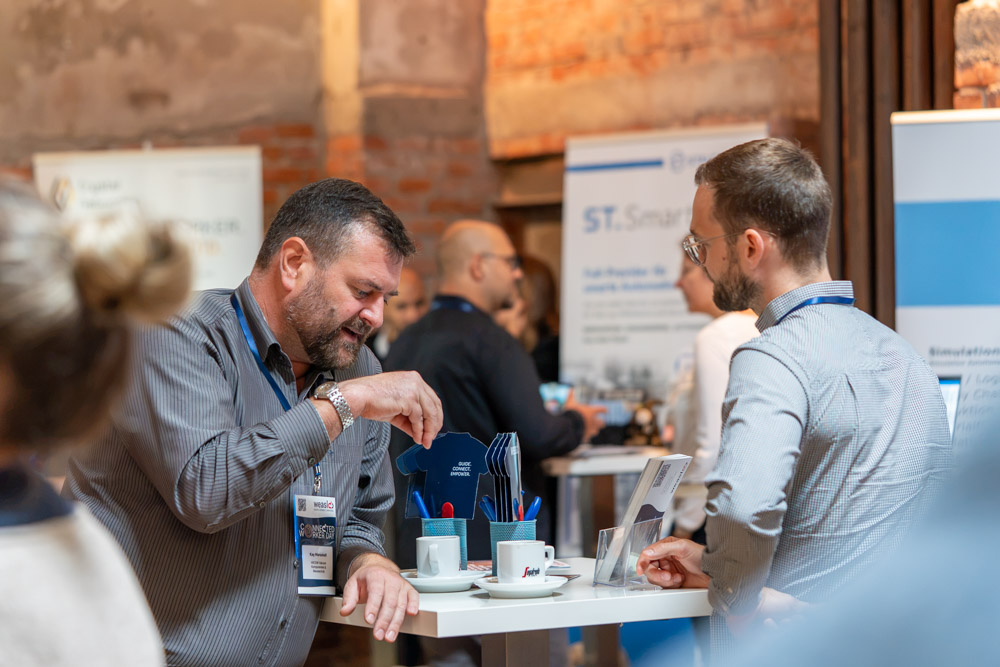
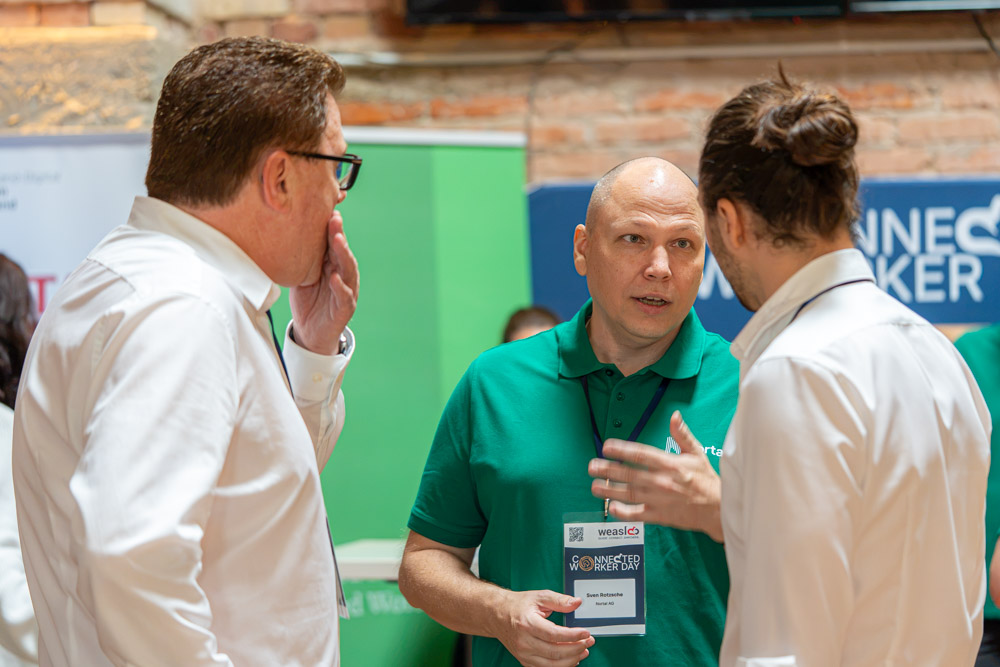
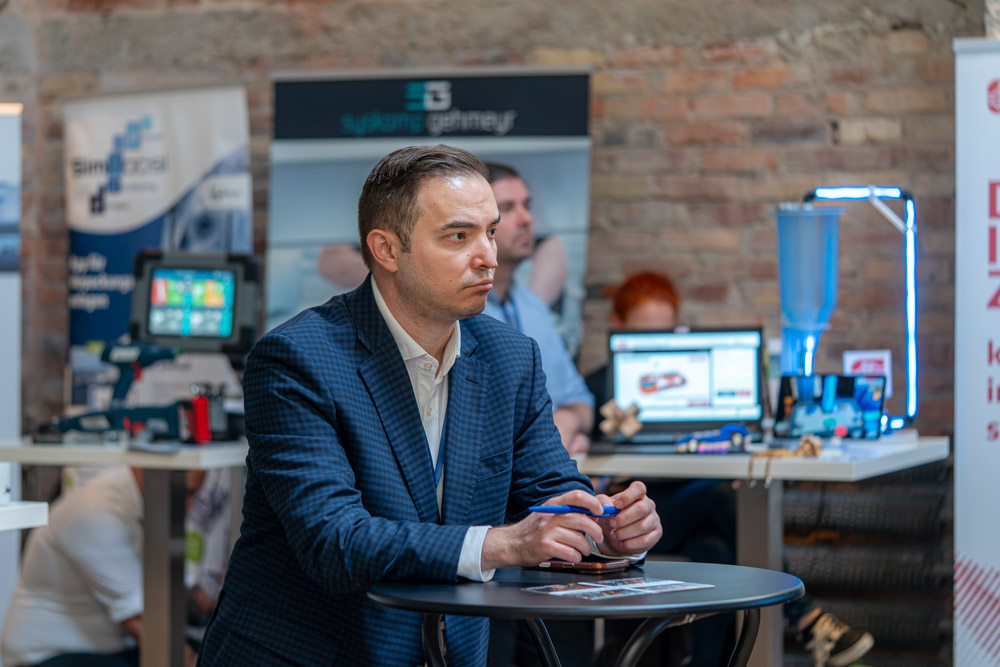
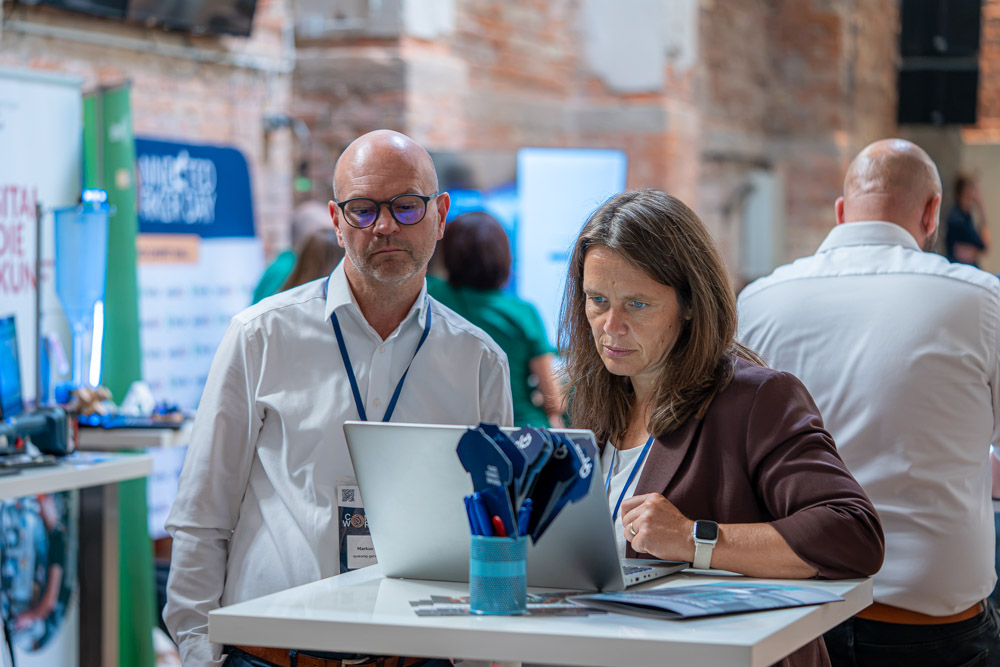
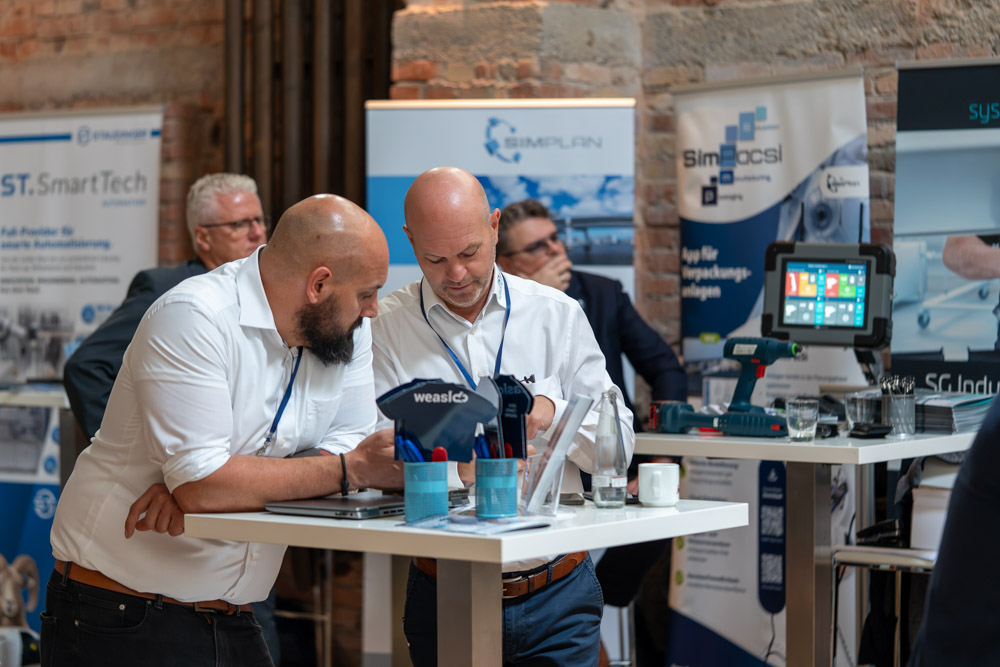
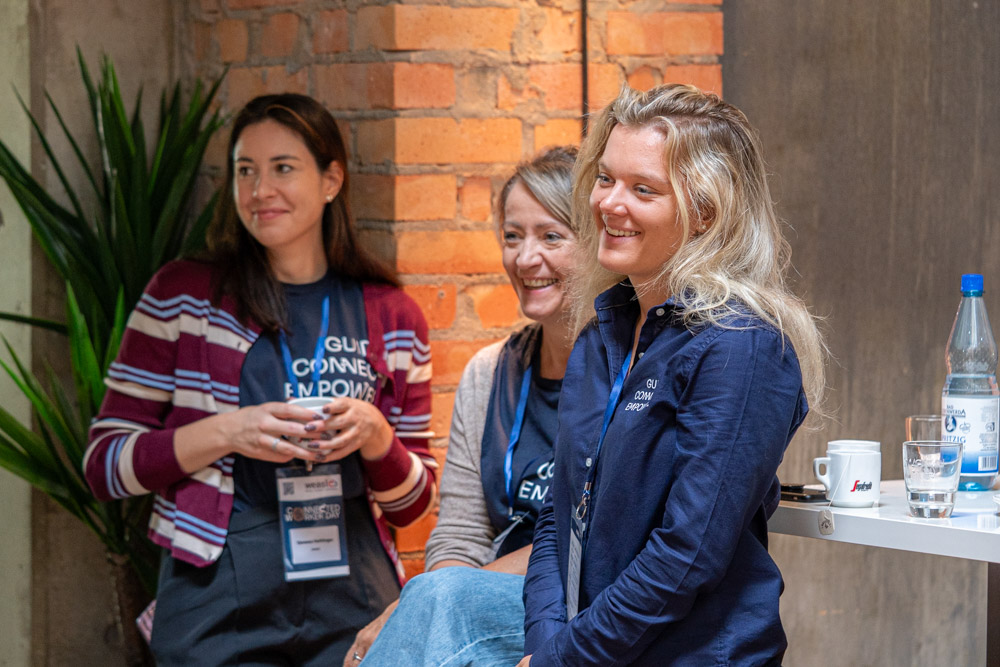
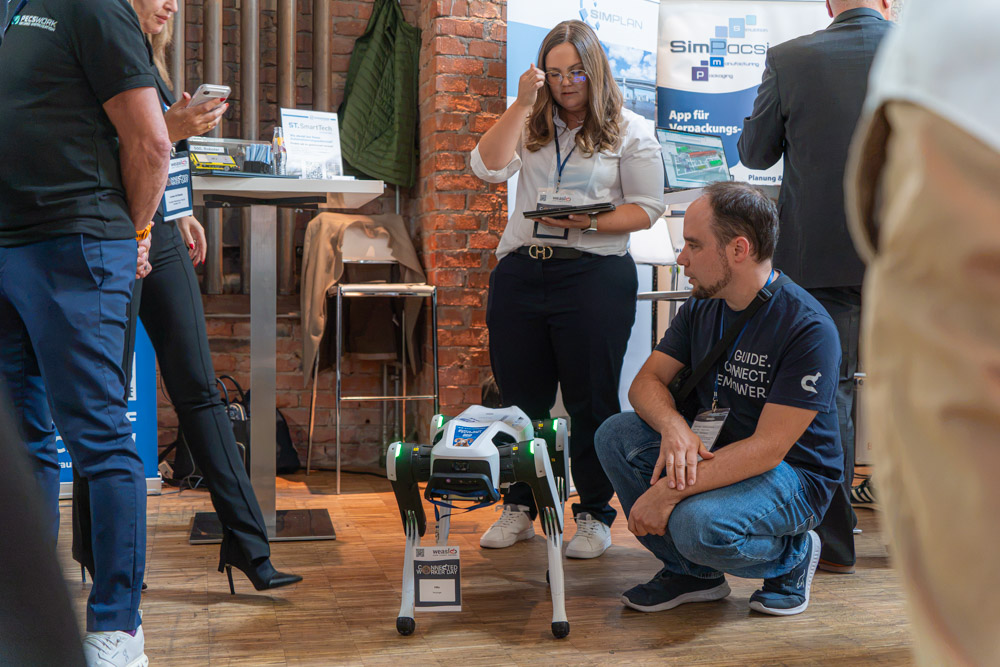
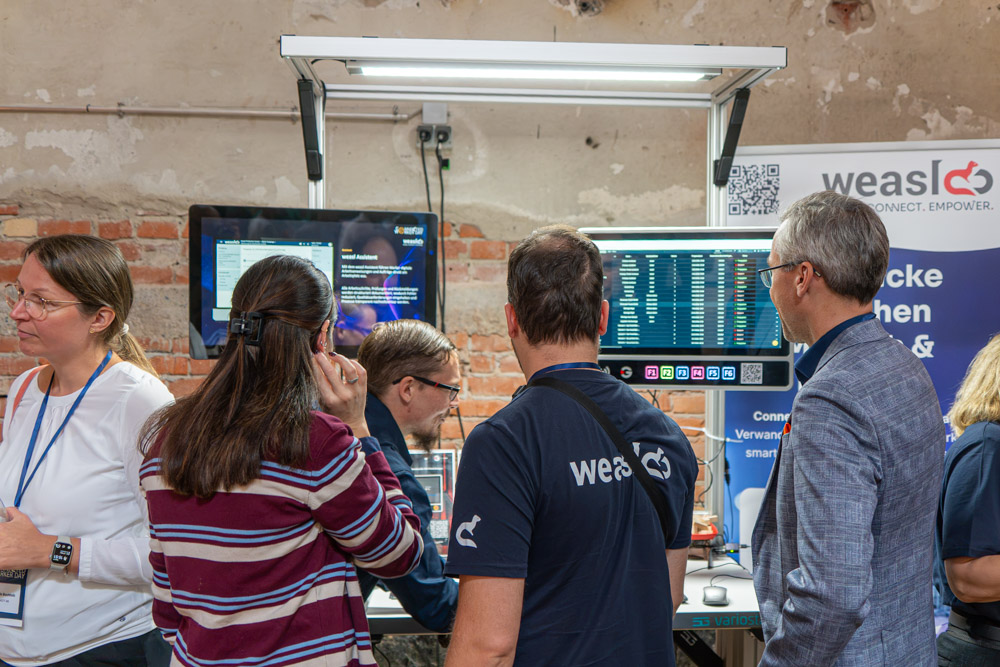
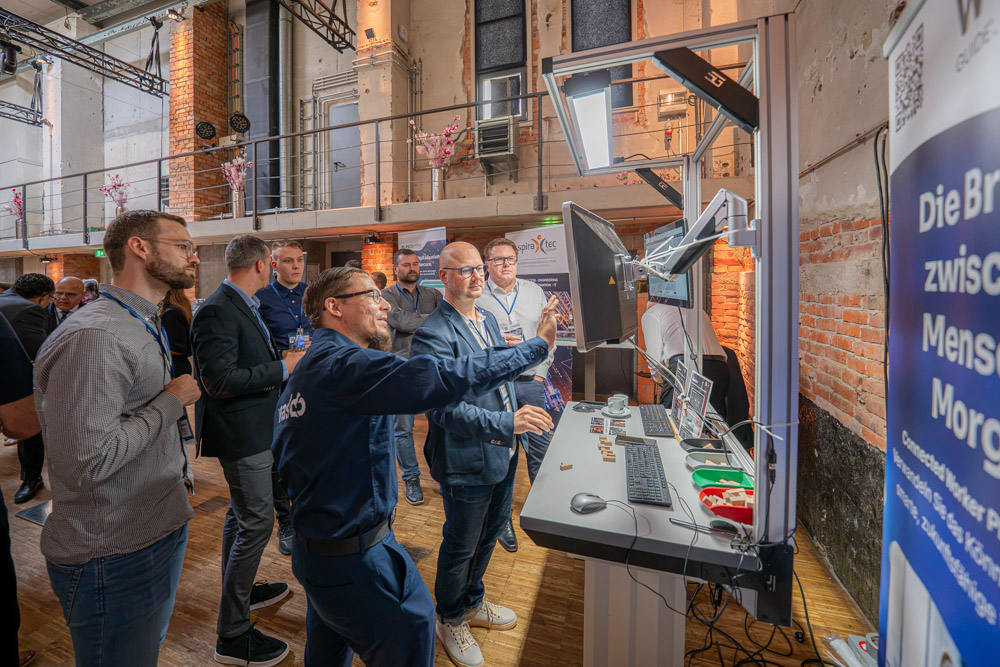
In addition to the user case studies, guests experienced through live demos how digital work instructions, quality checks, and traceability interact within weasl. Discussions continued in depth during the breaks and at the closing get-together. The Connected Worker Day is scheduled to continue in 2027. The date will be announced at www.connectedworkerday.com.
Highlights from Connected Worker Day

André Nimtz has been working in Online Marketing since 2011—bringing a rare combination of technical expertise, linguistic precision, and a dash of wit. His love of writing developed during his childhood, and his style and methodology were honed ...